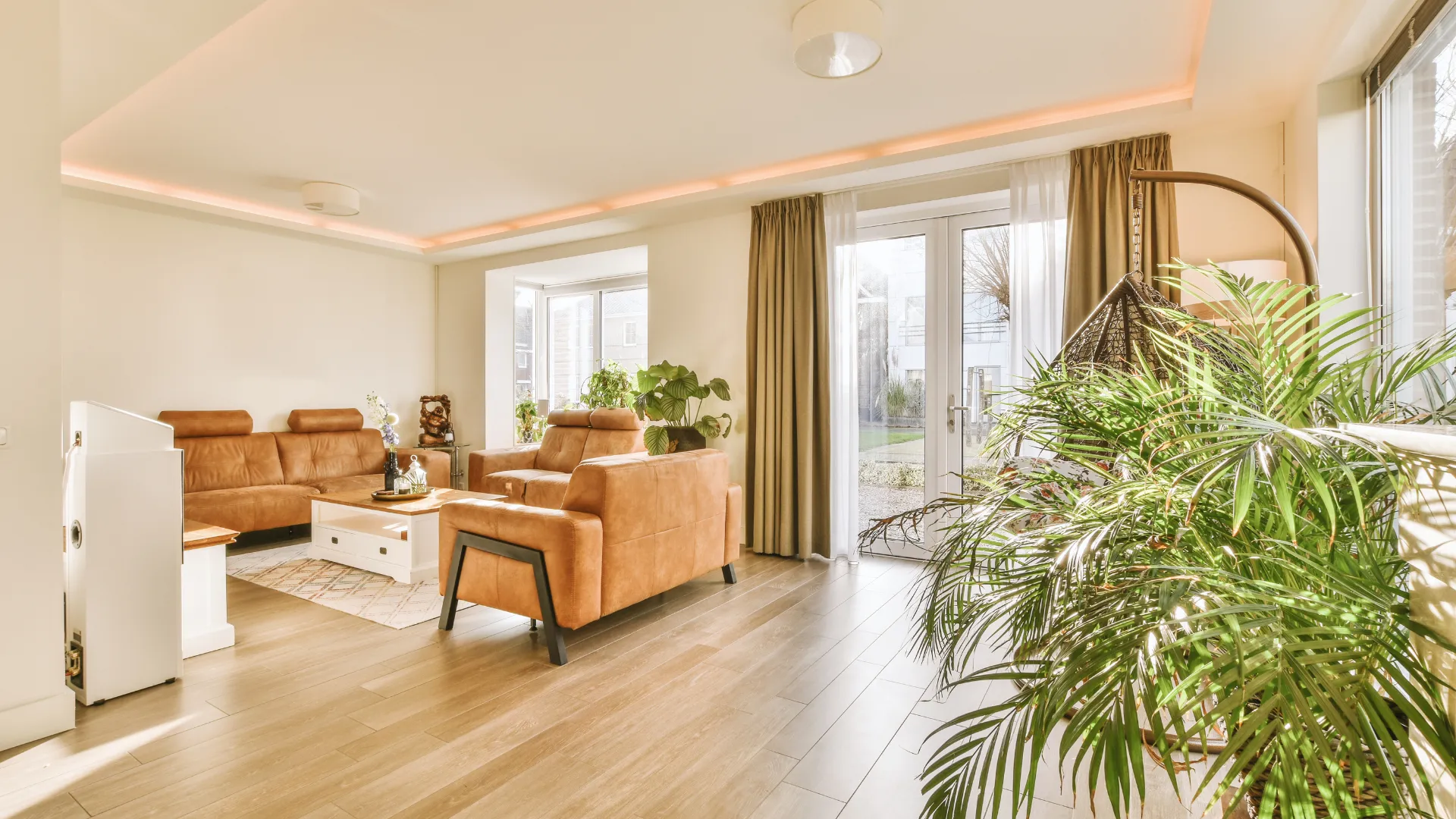
Define How You Actually Live Day to Day
Before focusing on square footage or price, take a step back and evaluate your daily routines.
Ask yourself:
- Do you work from home and need a dedicated office?
- Do you entertain frequently?
- Do you value quiet evenings or an active social scene?
- How important is outdoor space?
- Do you prefer walkability or privacy?
A home should support your habits — not force you to constantly adjust. For example, an open-concept layout may be ideal for hosting but challenging for remote work. A large yard may sound appealing but require maintenance you don’t enjoy.
When your home aligns with your lifestyle, satisfaction lasts far longer than the excitement of staying under budget.
Consider Location as Part of Your Lifestyle
The right house in the wrong location rarely feels right for long.
Think beyond commute time and explore:
- Proximity to family and friends
- Access to parks, restaurants, and entertainment
- School districts (even for resale value)
- Noise levels and traffic patterns
- Future development plans
Your neighborhood shapes your daily experience just as much as your floor plan. A slightly smaller home in a location you love often brings more long-term happiness than a larger home in an area that feels disconnected from your needs.
Lifestyle satisfaction often starts outside your front door.
Think Long-Term, Not Just Right Now
Your current needs matter — but so do your future plans.
Consider:
- Are you planning to grow your family?
- Might aging parents move in?
- Is remote work permanent or temporary?
- Do you anticipate career changes?
Buying at the very top of your budget may limit flexibility if your circumstances change. On the other hand, buying too small may require another move sooner than expected.
Balance present comfort with future adaptability.
Balance Wants vs. Non-Negotiables
It’s easy to build a long wish list. The key is separating essentials from preferences.
Create two categories:
Non-Negotiables
- Minimum number of bedrooms
- Safe neighborhood
- Commute time limit
- Structural condition
Nice-to-Haves
- Updated kitchen finishes
- Extra storage
- Specific architectural style
- Pool or outdoor kitchen
This clarity helps prevent emotional overspending while ensuring your core needs are met.
The goal isn’t to find a perfect home — it’s to find the right fit.
FAQs About Choosing the Right Home
1. Should I buy the biggest house I can afford?
Not necessarily. A larger home often comes with higher maintenance, taxes, and utility costs. Choose a home that supports your lifestyle without creating financial strain.
2. How important is location compared to the home itself?
Location is critical. You can renovate a house, but you can’t change its location. Neighborhood quality significantly impacts daily life and resale value.
3. What if I have to compromise?
Most buyers compromise on something. Prioritize non-negotiables and remain flexible on cosmetic features that can be updated later.
4. How long should I plan to stay in a home?
Ideally, plan to stay at least 3–5 years to offset transaction costs and market fluctuations.
5. Is it better to buy a starter home or a long-term home?
It depends on your financial flexibility and life plans. A starter home can build equity, while a long-term home may reduce the need for future moves.
Choosing a home isn’t just a financial decision — it’s a lifestyle decision. When you align your budget with how you truly live, where you want to be, and how you see your future unfolding, you create not just a smart investment, but a place that genuinely feels like home.