
Understand Your Local Market Before You List
Before making any updates, it’s critical to understand what buyers in your area actually want. Over-improving or renovating without strategy can reduce your return on investment.
Start by researching:
- Recent comparable sales (comps)
- Average days on market
- Buyer demand in your price range
- Current inventory levels
Are homes selling quickly with multiple offers? Or are buyers negotiating aggressively? The answers shape your pricing, preparation, and marketing strategy.
Consulting a knowledgeable real estate professional early ensures your upgrades and pricing align with current market conditions — not outdated assumptions.
Focus on High-Impact, High-Return Improvements
Not all renovations add equal value. The goal isn’t to create your dream home — it’s to create broad buyer appeal.
Prioritize:
- Fresh neutral paint
- Minor kitchen updates (hardware, lighting, refinishing cabinets)
- Bathroom touch-ups (fixtures, mirrors, grout refresh)
- Curb appeal improvements (landscaping, pressure washing, front door paint)
- Professional cleaning
Major renovations like full kitchen remodels may not deliver a full return unless the home is severely outdated. Small, strategic upgrades often produce the strongest ROI.
Buyers are looking for move-in-ready, clean, and well-maintained — not necessarily luxury finishes.
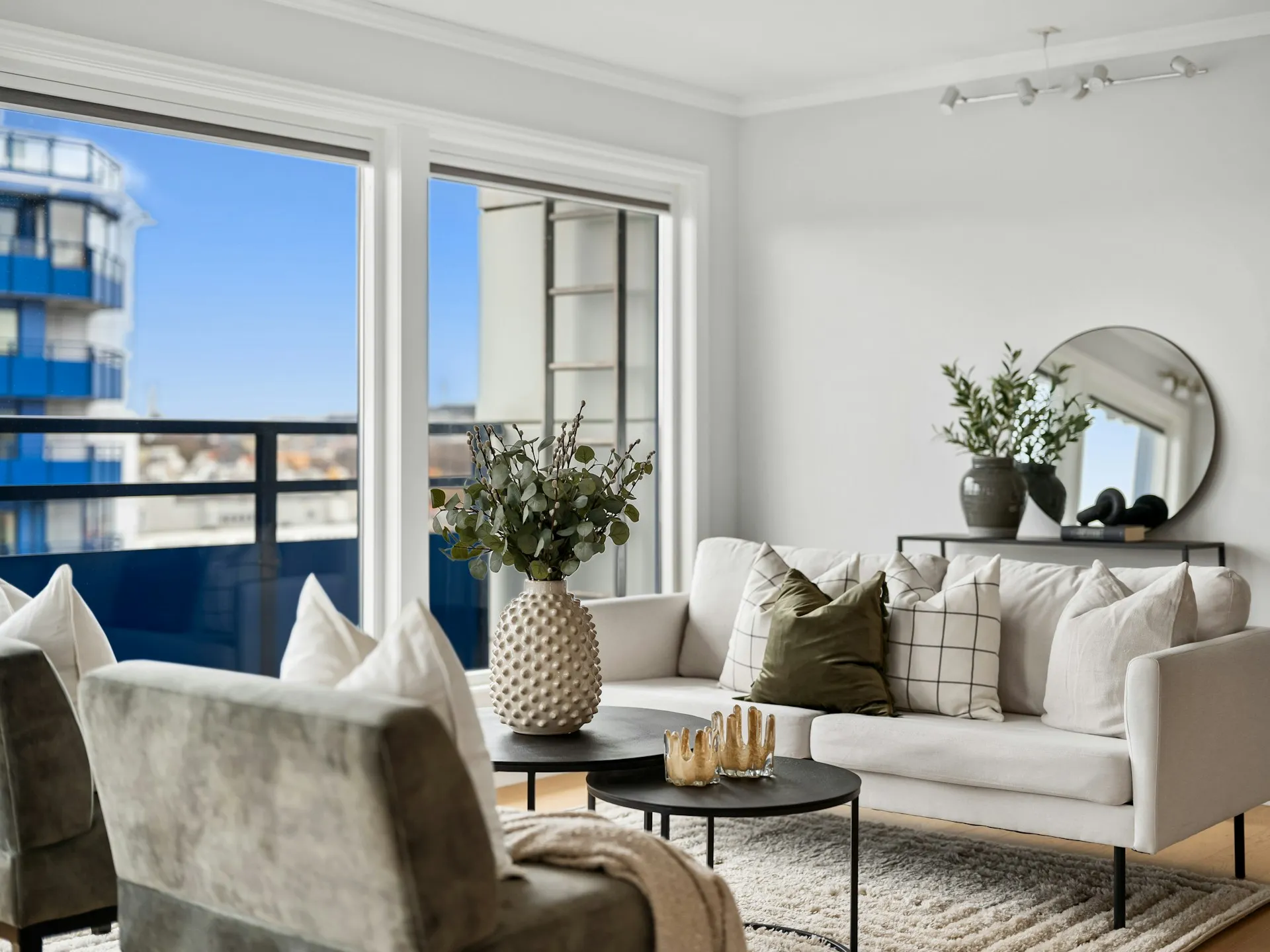
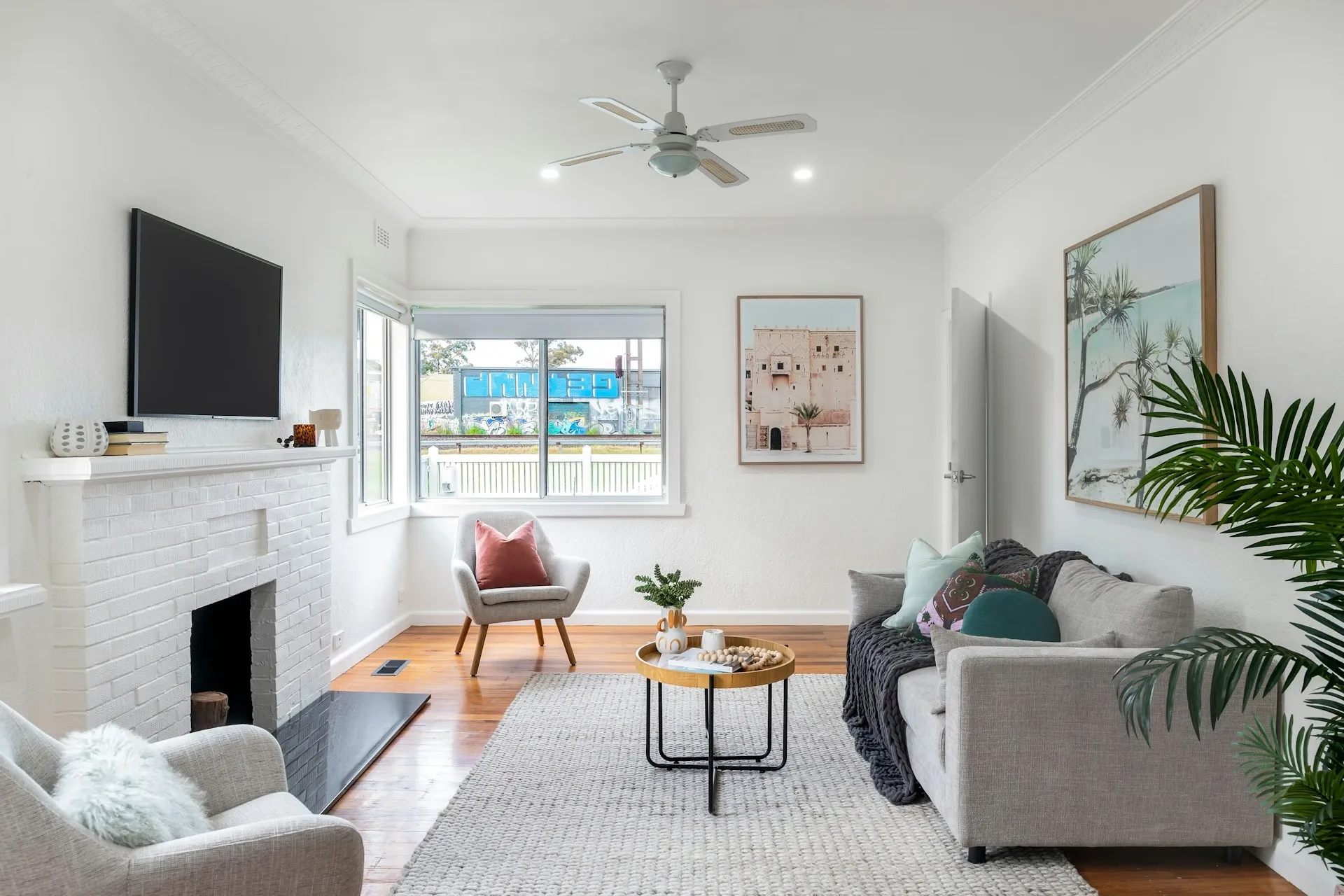
Declutter, Depersonalize, and Stage Strategically
Presentation dramatically impacts perceived value. Buyers need to envision themselves living in the space.
To prepare:
- Remove excess furniture to make rooms feel larger
- Clear countertops and storage spaces
- Remove personal photos and bold décor
- Organize closets and cabinets
- Use light, neutral accents
Professional staging can increase sale price and reduce time on market, especially in competitive areas. Even partial staging — focusing on key rooms like the living room, kitchen, and primary bedroom — can make a strong difference.
The goal is emotional appeal combined with visual clarity.
Price It Right from the Start
Overpricing is one of the most costly mistakes sellers make. Homes that sit too long often require price reductions, which can create buyer skepticism.
Strategic pricing:
- Attracts more buyers early
- Encourages competitive offers
- Reduces carrying costs
- Prevents stigma from extended days on market
The first two weeks are critical. That’s when your listing receives the most attention online and from agents. A strong launch — professional photography, accurate pricing, and proper marketing — sets the tone for maximum value.
FAQs About Preparing Your Home for Maximum Value
1. What improvements add the most value before selling?
Minor cosmetic updates such as fresh paint, updated lighting, landscaping, and deep cleaning typically provide the best return on investment.
2. Should I renovate my kitchen before listing?
Only if it’s significantly outdated or damaged. Minor updates often provide better ROI than a full remodel unless the home’s value supports a major renovation.
3. How important is staging when selling a home?
Very important. Staged homes often sell faster and for more money because they help buyers emotionally connect with the space.
4. How do I know what price to list my home at?
A comparative market analysis (CMA) from a local real estate professional can help determine competitive pricing based on recent sales and current market trends.
5. Is it worth making repairs before selling?
Yes, especially visible repairs. Fixing obvious issues builds buyer confidence and reduces the likelihood of price reductions during inspection negotiations.
Selling smart means preparing strategically. By understanding your market, focusing on high-return improvements, presenting your home effectively, and pricing it correctly from day one, you position yourself to maximize value and attract serious buyers.